 YIO Technologies
THE KEY IDEA
Appearance attracts attention. Usefulness depends on what the assistant knows, how it responds and how it helps people move forward. Design those elements together.
What is an AI-powered digital human?
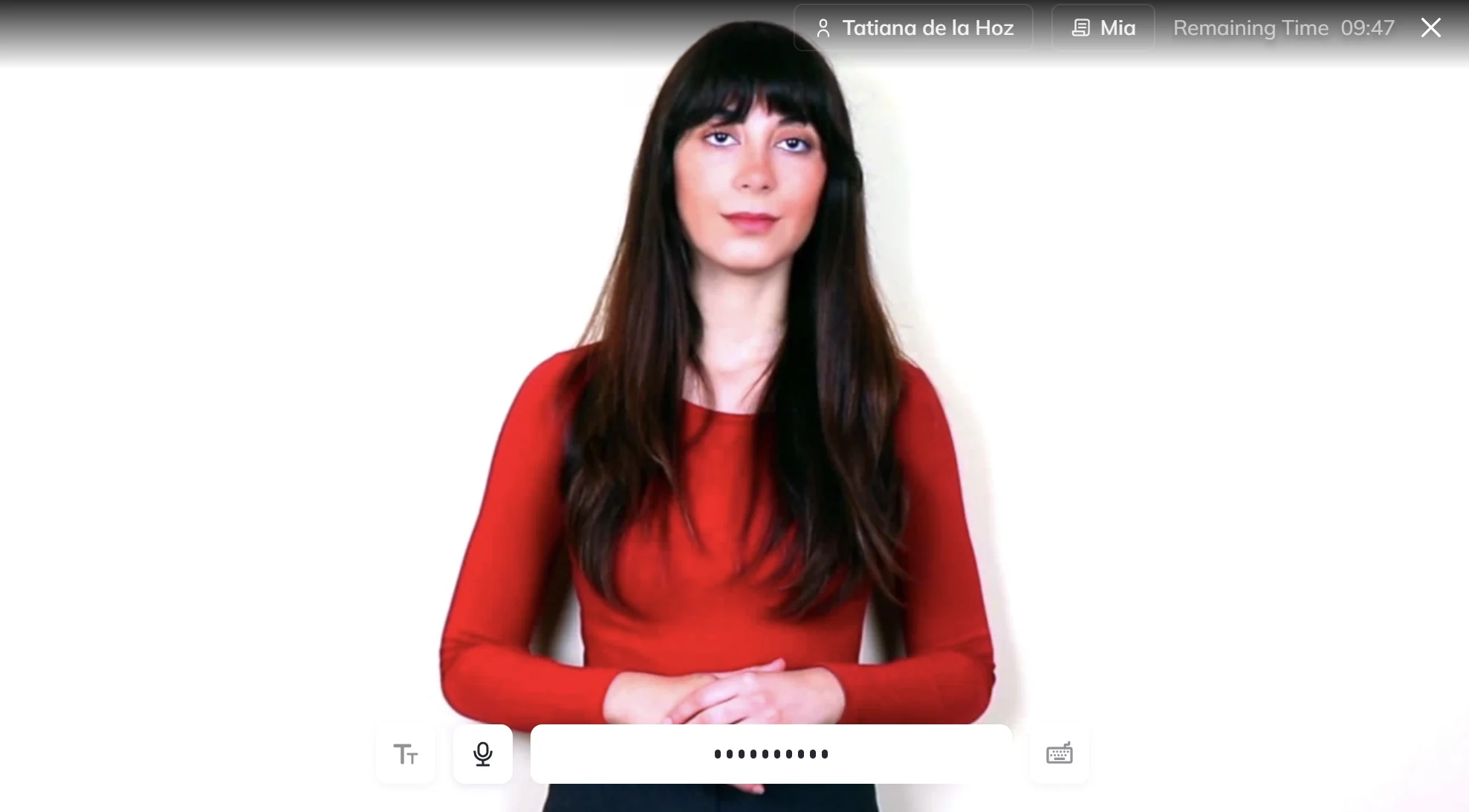
A digital human is a representation of a person designed for a digital experience. Its appearance may be realistic or stylised. Connected to a conversational assistant, it can answer questions through text or voice using information prepared for that experience.
This differs from an avatar video: a recorded piece delivers a fixed message, while an intelligent assistant responds to the visitor’s question. Its capabilities depend on the model, the available information and the functions integrated into the project.
Where human-like virtual assistants can help
On a website, they can explain services and guide visitors to relevant information or forms. In a shop, they can help customers explore a collection or locate an item when that information is available. At exhibitions, they can introduce a brand and answer questions about the experience.
Start with one need: welcoming visitors, answering common questions or helping someone make an enquiry. A clear task makes the conversation easier to design and its usefulness easier to assess.
Designing AI avatars that fit your brand
Appearance, voice and personality should work together. Clothing, tone and expressions can reflect your brand without distracting from the information. Character animations can support a greeting, an explanation or a goodbye, depending on context and implementation.
Make it clear that visitors are interacting with an AI assistant. Do not present it as a real person or imply qualifications it does not have. Provide text, sound controls and an alternative contact route for people who would rather speak to your team.
Giving the assistant the right information
Prepare reviewed documents, FAQs, descriptions and links. Define the questions it can answer, the topics it should avoid and what to do when information is missing. Assign someone to keep commercial information and changing details up to date.
Checking availability, booking an appointment or tracking an order requires a connection to the relevant system. Changing the avatar alone does not add these functions. Check technical access, permissions and provider requirements before committing to a capability.
Planning a digital human project
Begin with an objective, an audience and a channel. Then define the character, the conversation and approved content. Test common questions, errors, interruptions and out-of-scope requests before opening the experience to the public.
Check whether people understand what they can ask and can find the next step. Measure specific outcomes, such as enquiries received, with the appropriate privacy information and permissions. Use recurring questions to improve content without collecting unnecessary data.
Frequently asked questions
Is a human-looking assistant a real person?
No. It is a digital character. Explain that it uses AI and provide another contact option when a question requires human help.
Can it speak and move during a conversation?
Yes, when voice and animations are included in the project. Movements can support the conversation, with controls that let visitors choose how to interact.
Can it be added to an existing website?
Yes. The assistant is prepared and added using the agreed integration. Functions that access business tools also require a connection to those tools.
Content first published on . Reviewed and adapted for the blog on 15 November 2026.